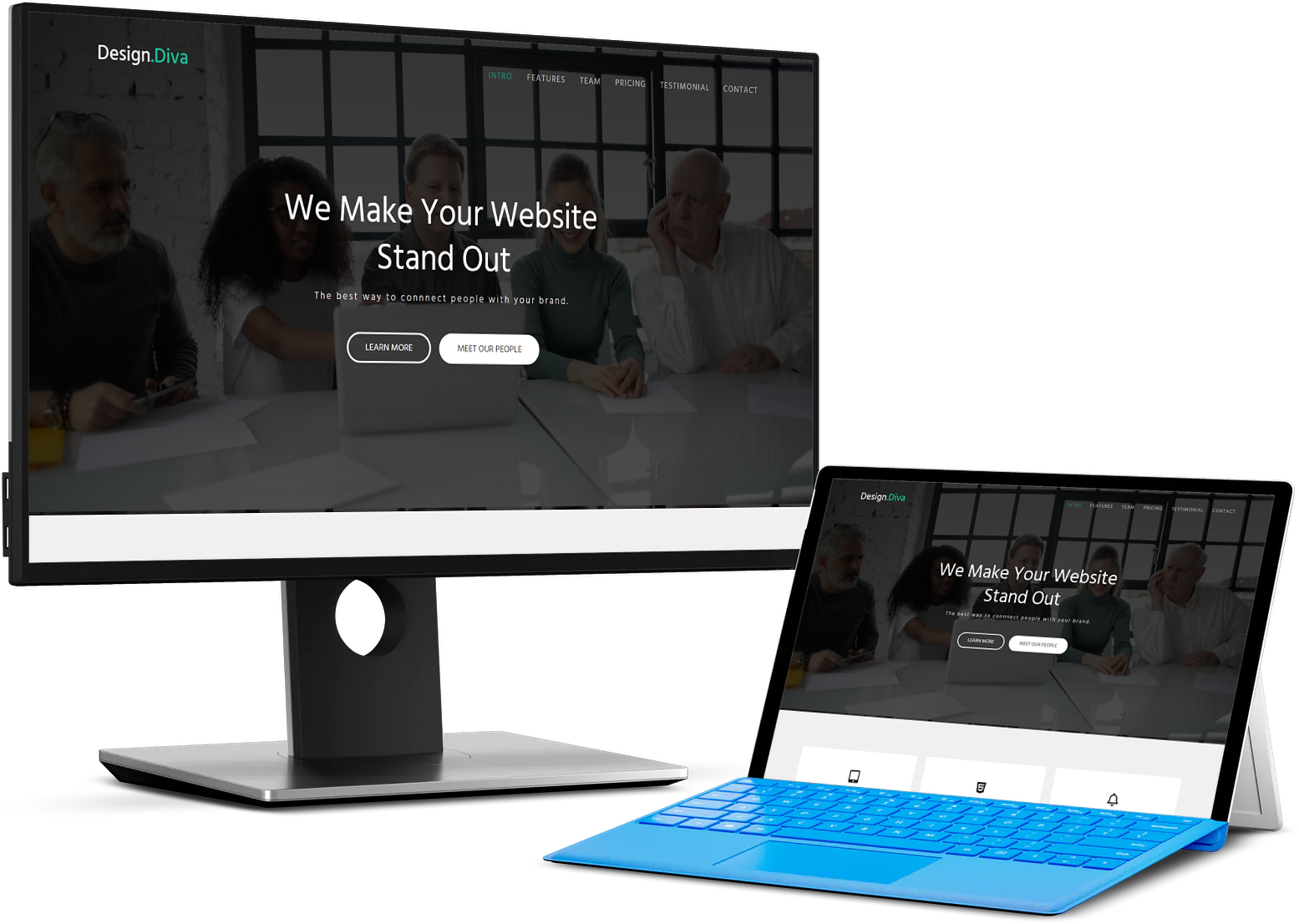
we make your website stand out among others

the best way to contact people with your brand.

Responsive Design

Lorem ipsum dolor sit amet, consectetur adipisicing elit. Sit quidem eum perspiciatis minima. Magnam ipsam nostrum ipsum soluta repellat, officiis fugiat. Ipsum repudiandae modi voluptatem perferendis iste accusamus molestiae soluta.

HTML5

Lorem ipsum dolor sit amet, consectetur adipisicing elit. Sit quidem eum perspiciatis minima. Magnam ipsam nostrum ipsum soluta repellat, officiis fugiat. Ipsum repudiandae modi voluptatem perferendis iste accusamus molestiae soluta.

24 Hour Support

Lorem ipsum dolor sit amet, consectetur adipisicing elit. Sit quidem eum perspiciatis minima. Magnam ipsam nostrum ipsum soluta repellat, officiis fugiat. Ipsum repudiandae modi voluptatem perferendis iste accusamus molestiae soluta.

Explore the Feature

Lorem ipsum dolor, sit amet consectetur adipisicing elit. Corrupti deleniti iste voluptatem nemo laboriosam itaque doloribus aut, enim magni. Ipsa!

Expensive Design

Lorem ipsum dolor sit amet, consectetur adipisicing elit. Magni impedit aliquid suscipit maxime dolore sed!

Retina Ready

Lorem ipsum dolor sit amet, consectetur adipisicing elit. Magni impedit aliquid suscipit maxime dolore sed!

Watch Sample Video

Lorem ipsum dolor sit amet consectetur adipisicing elit. Vitae sunt quae, dolorum est rerum incidunt?

meet the best people

Lorem ipsum dolor sit.

Have Any Questions?

Lorem ipsum dolor sit amet.

What is Web Development

Web development is the process of creating websites and web applications that can be accessed through the internet. It involves a variety of tasks, including web design, web programming, content creation, and network security configuration.

The goal of web development is to create websites and web applications that are visually appealing, user-friendly, and functional. This includes everything from the layout and design of a website to the programming languages and frameworks used to create it. Web development can range from simple static websites to complex web applications with advanced functionality and database integration.

Some of the key technologies and tools used in web development include HTML, CSS, JavaScript, web frameworks like React, Angular, and Vue.js, server-side scripting languages like PHP, Ruby on Rails, and Python, and databases like MySQL and MongoDB. The web development process typically involves collaboration between web designers, front-end developers, back-end developers, and database administrators.

Which technologies are important for web development?

There are a variety of technologies and tools that are important for web development, including.
1. HTML (Hypertext Markup Language): This is the foundation of web development, used to structure and organize web content.
2. CSS (Cascading Style Sheets): This is used to style and format the presentation of HTML content, including layout, fonts, colors, and other design elements.
3. JavaScript: This is a programming language used to create interactive and dynamic web content, such as animations, user interfaces, and other features.
4. Web Frameworks: These are pre-built tools and libraries that make it easier to build web applications. Popular examples include React, Angular, and Vue.js.
5. Server-Side Scripting Languages: These are programming languages used to create dynamic web applications that run on the server, such as PHP, Ruby on Rails, and Python.
6. Databases: These are used to store and manage data for web applications, such as MySQL and MongoDB.
7. APIs (Application Programming Interfaces): These allow web applications to interact with other applications or services, such as social media platforms or payment gateways.
8. Version Control Systems: These are used to track changes to code and collaborate with other developers, such as Git and GitHub.
9.DevOps Tools: These are used to automate deployment, testing, and other aspects of the web development process, such as Docker, Jenkins, and Kubernetes.

These are just a few of the many technologies and tools that are important for web development. The specific technologies used will depend on the needs and requirements of each individual project.

What type of website are good for business purpose?

There are many types of websites that can be useful for businesses, depending on their specific needs and goals. Here are a few examples.
1. E-commerce websites: These are websites that allow businesses to sell products or services online. E-commerce websites can range from small shops with just a few products to large marketplaces with thousands of items.
2. Business information websites: These are websites that provide information about a business, such as its history, mission, products or services, and contact information. Business information websites can be useful for building brand awareness and establishing credibility.
3. Lead generation websites: These are websites designed to generate leads for a business by collecting contact information from potential customers. Lead generation websites can include forms, landing pages, and other tools to encourage visitors to provide their information.
4. Portfolio websites: These are websites that showcase a business's work or products. Portfolio websites can be useful for creative professionals, such as photographers, designers, or artists, to show off their work.
5. Membership websites: These are websites that require visitors to sign up or pay for access to exclusive content or services. Membership websites can be useful for businesses that offer specialized content or services, such as online courses or subscription-based products.
6. Blogging websites: These are websites that regularly publish articles or posts related to a specific topic or industry. Blogging websites can be useful for businesses to share their expertise, build a following, and drive traffic to their website.

Ultimately, the best type of website for a business will depend on its specific needs and goals. It's important to consider factors such as the target audience, budget, and marketing strategy when choosing the type of website to create.

What is graphic Design

Graphic design is the art of creating visual content to communicate messages or ideas. It involves using typography, images, color, and other design elements to create visually appealing and effective communication materials. Graphic design can be used for a variety of purposes, such as advertising, branding, packaging, web design, and print materials. Graphic designers use a variety of tools and software to create their designs, including Adobe Creative Suite (Photoshop, Illustrator, InDesign), CorelDRAW, Sketch, and Canva. They may work in a variety of industries, such as advertising, publishing, marketing, or web design.

Some of the key skills required for graphic design include creativity, attention to detail, knowledge of design principles, typography, and color theory, as well as proficiency in design software and tools. Graphic designers may work independently or as part of a team, collaborating with writers, marketers, and other professionals to create effective designs that communicate their message to their intended audience.
What type of graphic will be good for your business?

The type of graphic design that is best for a business will depend on its specific needs and goals. Here are a few examples of graphic design types that can be effective for businesses.
1. Logo design: A logo is a visual representation of a business, and it's often the first thing that customers notice about a company. A well-designed logo can help to establish brand recognition and differentiate a business from its competitors.
2. Branding: Branding is the process of creating a consistent visual identity for a business, including its logo, color scheme, typography, and other design elements. Branding is important for creating a strong brand image and building customer loyalty.
3. Marketing materials: Marketing materials such as brochures, flyers, and posters can be effective for promoting a business and its products or services. These materials can be used to communicate information about a business in a visually appealing way, and can be distributed through various channels such as mail, email, or social media.
4. Web design: A well-designed website can be crucial for businesses in today's digital age. Web design includes creating a visually appealing layout, selecting appropriate images, and choosing typography that is easy to read. A good web design can help to establish credibility, promote user engagement, and drive conversions.
5. Packaging design: Packaging design is important for businesses that sell physical products. Effective packaging design can help to differentiate a product from its competitors, communicate its benefits, and create an emotional connection with customers.

Ultimately, the type of graphic design that is best for a business will depend on its goals, target audience, and marketing strategy. It's important to work with a skilled graphic designer to create designs that are visually appealing, effective, and tailored to the specific needs of the business.

What technologies are good for graphic Design

There are several technologies that are commonly used in graphic design to create visually appealing and effective designs. Here are a few examples.
1. Design software: Graphic designers use design software such as Adobe Creative Suite (Photoshop, Illustrator, InDesign), CorelDRAW, Sketch, and Canva to create their designs. These tools allow designers to manipulate images, create vector graphics, and lay out text and other design elements.
2. Color management: Color is an important aspect of graphic design, and color management tools such as Pantone color guides and color calibration tools help designers ensure that colors are consistent across different devices and platforms.
3. High-resolution images: High-resolution images are important for creating sharp, clear designs. Graphic designers use digital cameras, scanners, and other tools to capture high-quality images for use in their designs.
4. Typography tools: Typography is a key component of graphic design, and typography tools such as Adobe Typekit and Google Fonts help designers to choose and customize fonts for their designs.
5. Collaboration tools: Collaboration is an important aspect of graphic design, and collaboration tools such as Dropbox, Google Drive, and Trello help designers to share files, communicate with team members, and manage projects.
6. Virtual and augmented reality: Virtual and augmented reality technologies are becoming increasingly important in graphic design, as they allow designers to create immersive experiences for users. Designers can use tools such as Sketchfab, Figma, and Adobe Aero to create virtual and augmented reality designs.

These are just a few examples of the technologies that are commonly used in graphic design. As technology continues to evolve, graphic designers will need to stay up-to-date with the latest tools and trends in order to create effective designs.

What is the best color for any Design

There is no one "best" color for all designs, as color choices will depend on the specific project, the intended audience, and the overall brand or message that the design is meant to convey. However, here are some general tips for choosing colors in design:
1. Consider the brand or message: Colors can convey different emotions and associations, so it's important to choose colors that align with the overall brand or message of the design. For example, blue is often associated with trust and stability, while red can convey energy and passion.
2. Use a color palette: A well-designed color palette can help to create a cohesive and visually appealing design. Choose a main color and several complementary colors to use throughout the design.
3. Think about contrast: Contrast is important for readability and visual impact. Choose colors that have enough contrast to make text and other elements stand out.
4. Use color theory: Color theory can help guide color choices and ensure that they work well together. Consider using color combinations such as complementary colors (colors opposite each other on the color wheel) or analogous colors (colors that are next to each other on the color wheel).
5. Test and iterate: Finally, it's important to test different color choices and iterate on the design to see what works best. Get feedback from others and make adjustments as needed to create a design that is both visually appealing and effective at communicating its message.

Our Package

Lorem ipsum dolor sit amet consectetur

Business Version

$ 120 Monthly
  • 24 Accounts
  • 10 GB Storage
  • Lifetime Support
  • Reliable Service

Prfessional Version

$ 120 Monthly
  • 24 Accounts
  • 10 GB Storage
  • Lifetime Support
  • Reliable Service

Standard Version

$ 120 Monthly
  • 24 Accounts
  • 10 GB Storage
  • Lifetime Support
  • Reliable Service

Testimonials Words

Lorem ipsum dolor sit amet consectetur

Contact Us

Lorem ipsum dolor sit amet consectetur

Send Message Here

Visit Office

208 lekki epe express way etiosa Lagos

Call Us

07011917533

Send Email

igbokwechukwuebukagoodluck@gmail.com